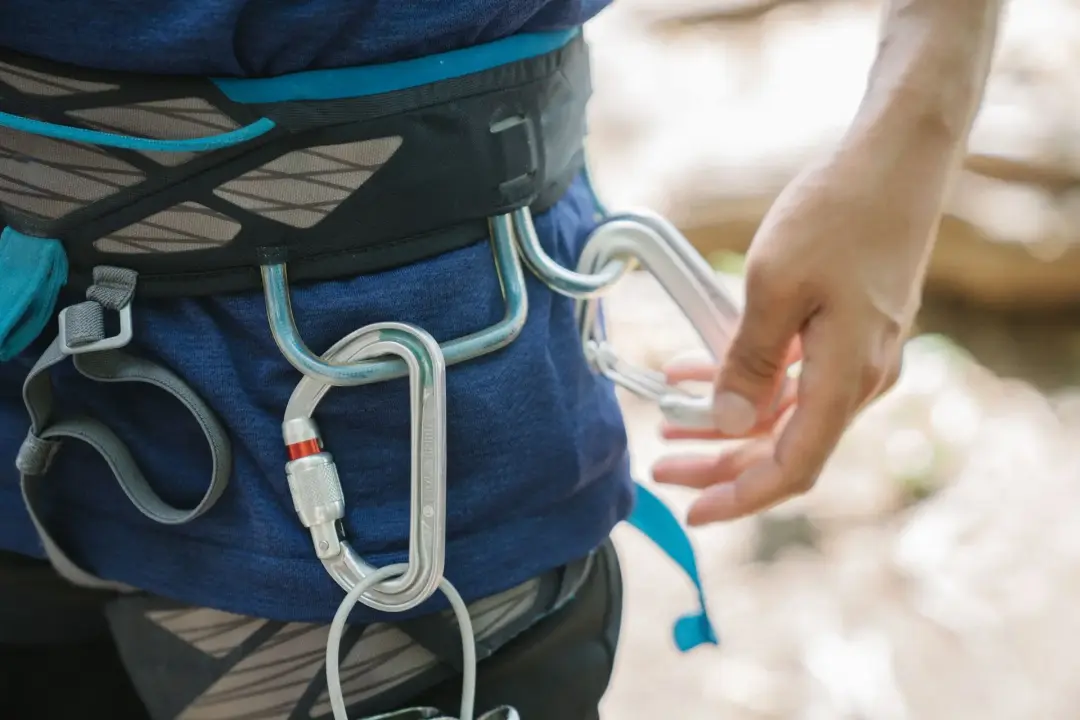
Turning up to a climbing course with a rope and harness does not automatically mean you can use them. Before a candidate leaves the ground, the training provider needs reasonable evidence that personal life-support equipment is suitable, identifiable and within the required inspection or examination arrangements. If that evidence is missing, expired or impossible to match to the items in the kit bag, the safest and most likely outcome is that the equipment will not be accepted.
tells candidates bringing their own equipment to provide either an in-date LOLER thorough-examination report or a receipt for equipment purchased less than six months ago. That is a clear course-entry rule designed to make evidence easy to check. It should not be confused with a universal statement that every new item is automatically exempt from LOLER for six months. The law, the equipment’s conformity documents, the conditions of first use and the provider’s own requirements must all be considered.
This guide explains what to bring, what will be checked and why a bag of borrowed or second-hand climbing gear can create problems even when it appears to be in good condition.
What is LOLER?
LOLER is the common abbreviation for the Lifting Operations and Lifting Equipment Regulations 1998. The Regulations apply to lifting equipment used at work and place duties on employers, self-employed people and others who own, operate or control that equipment. A “load” includes a person, so arborist rope-access and work-positioning systems fall within the framework when used for work.
In arboriculture, HSE identifies ropes, harnesses, strops, carabiners and associated attachments as examples of lifting equipment. LOLER requires lifting equipment to be fit for purpose, strong and stable enough, properly marked and used in lifting operations that are planned, supervised and carried out safely. It works alongside other duties, including the Provision and Use of Work Equipment Regulations and the Work at Height Regulations.
The part course candidates encounter most often is the requirement for thorough examination. This is a detailed and systematic examination by a competent person with enough practical and theoretical knowledge to detect defects or weaknesses and judge their significance. It is not the same as a quick visual check, routine maintenance or a retailer saying that an item looks serviceable.
What is a LOLER thorough-examination report?
After the examination, the competent person produces a written report containing the information required by LOLER. This includes the equipment identification, examination date, due date for the next examination and details of defects that are or could become dangerous. The report must allow an item in the kit bag to be matched to an item on the document. “One blue rope” is not useful identification when a candidate owns several similar ropes.
For lifting equipment and associated accessories used to lift people, HSE gives a normal interval of six months unless a competent person has drawn up a written examination scheme specifying other intervals. Examination may also be required after exceptional circumstances that could affect safety, such as a fall, overload, serious contamination, damage, major alteration or a long period out of use. A date six months in the future is not a guarantee that equipment remains safe after such an event.
If an examiner reports a dangerous defect, the item must not remain in service until the required action has been taken. A course provider cannot override that decision. Replacing a damaged rope, bridge or connector with a different item also changes the equipment list, so the candidate needs appropriate documentation for the replacement.
Does new climbing equipment need a LOLER certificate immediately?
HSE explains that lifting equipment should be thoroughly examined before first use unless it has a valid Declaration of Conformity made less than 12 months earlier and its safety does not depend on installation or assembly conditions. The declaration should be retained with the product records. New equipment must also have the relevant conformity marking, legible product identification and manufacturer instructions.
That legal framework does not oblige a training provider to accept a receipt of any age or undocumented equipment. A provider needs a workable rule that its staff can apply consistently at the course check-in. For courses, the stated evidence is an in-date LOLER report or a receipt showing the equipment is less than six months old. Candidates should follow the current joining instructions and ask before the course if their documents fall outside that rule.
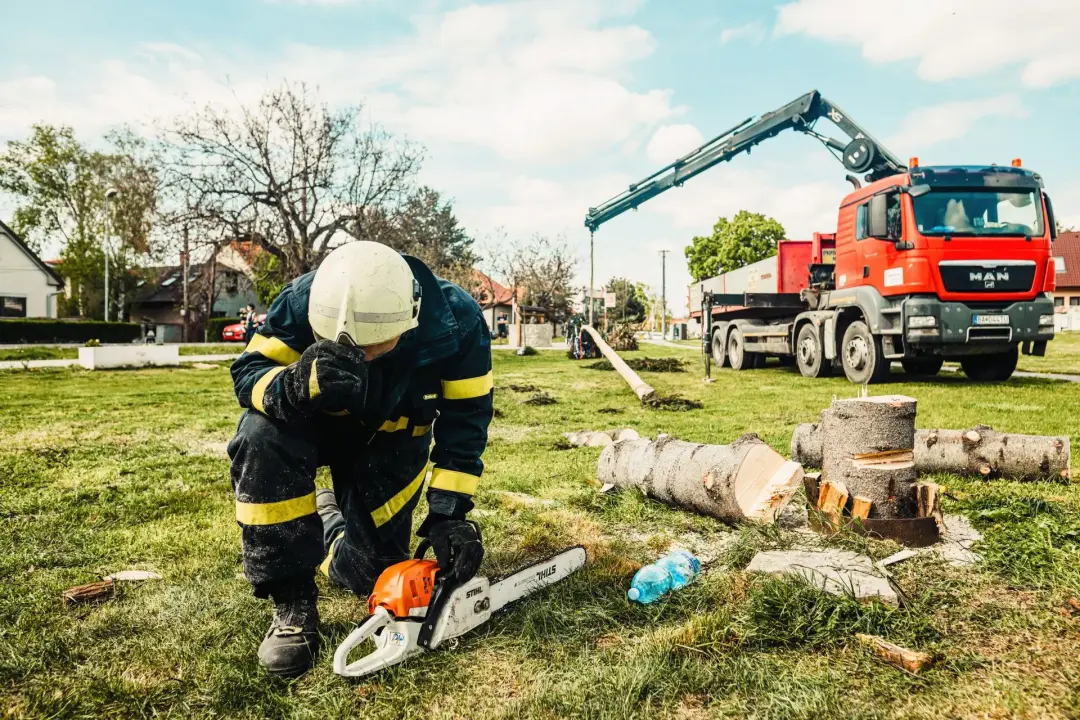
A till receipt by itself does not prove that every loose item in a bag came from that purchase.
Retain itemised invoices, labels, product packaging, declarations and instructions. Keep serial or batch details with the record and avoid removing identity labels.
Where a complete system has been assembled from several purchases, provide evidence for every relevant component rather than the date of the newest item.
What equipment will the course want to identify?
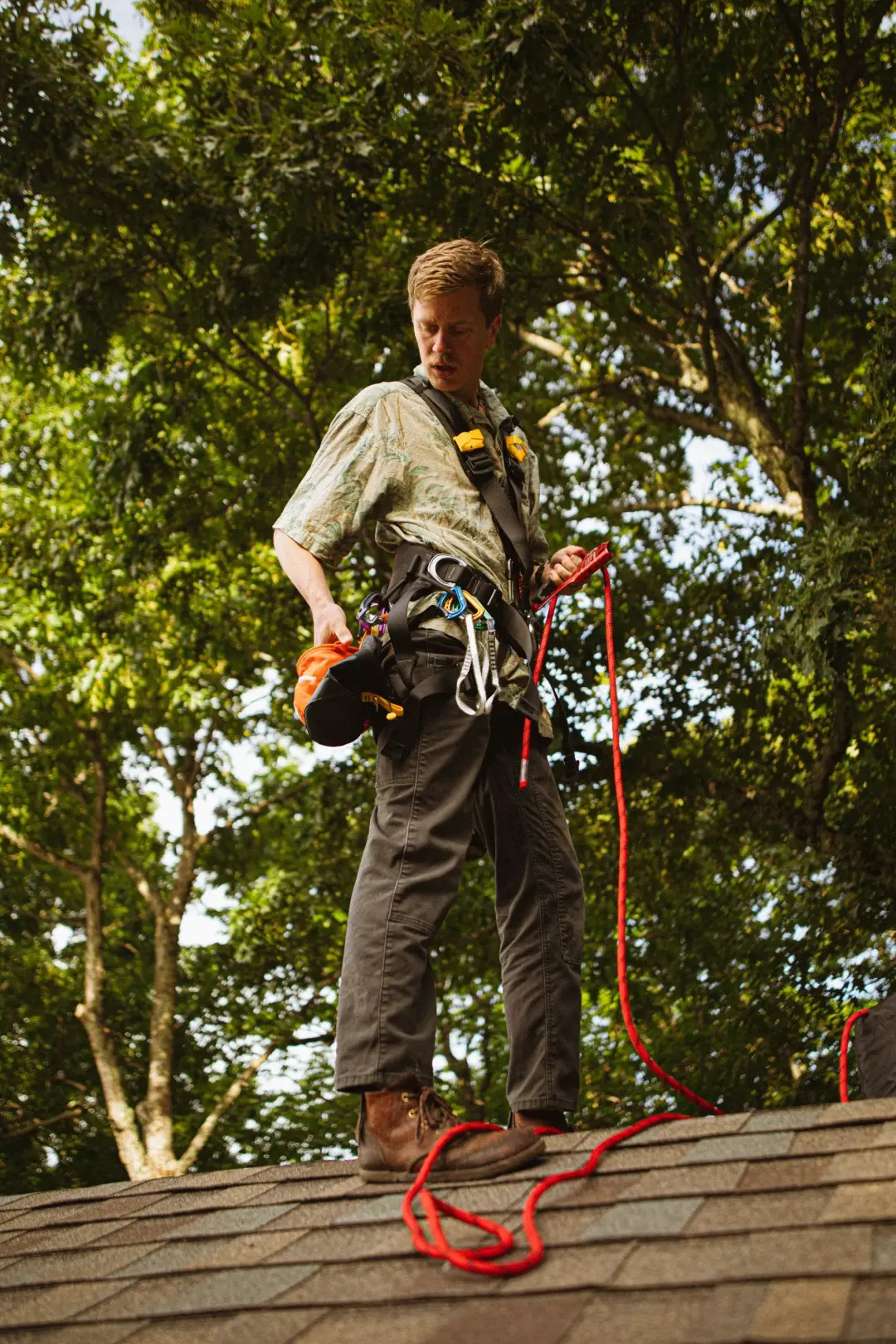
Expect the check to cover the complete life-support chain, not just the two largest items. That may include the harness and bridge, climbing rope and termination, work-positioning lanyard, friction or cambium saver, hitch cord, mechanical device, carabiners, pulleys and any anchor or adjustment components. The exact scope depends on the system and course exercises.
Each component should have a unique or traceable identity that corresponds to the report or purchase record. Textile labels must remain legible, metal serial markings should not be obscured and splices need their identification intact. Home-applied marks must follow manufacturer guidance; some inks and chemicals can damage life-support textiles. An equipment register containing manufacturer, model, serial or batch number, date of manufacture, purchase date and first-use date makes this process much easier.
The provider may also check whether the equipment is appropriate for the syllabus. A current examination report says something about condition; it does not prove that an advanced mechanical device is approved for the rope, that a harness fits the candidate or that the candidate has been trained in that technique. Suitability, compatibility and competence remain separate questions.
What gets checked before you climb?
The instructor will need to establish that the equipment matches the paperwork and is free from visible conditions that make its use unacceptable. A rope may be checked along its full length by sight and touch for cuts, glazing, pulled strands, flattening, stiffness, contamination and damage to splices or stitching. Harness webbing, bridge, seams, buckles and attachment points are checked for wear, deformation and legible identity.
Connectors should close and lock correctly and show no cracks, burrs, corrosion, distortion or excessive wear. Hitch cord is checked for glazing, thinning and the correct specification. Mechanical devices need the manufacturer’s wear and function checks, including correct movement and reliable locking. Pulleys and anchor components must be suitable for life support and correctly identified; rigging hardware must not be mixed into the climbing system.
The complete assembly is then considered. Rope routing, hitch dressing, connector orientation, gate clearance and the interaction between the device, rope and harness all matter. A low-level function test confirms that the system holds, releases under control and re-locks. This pre-use check is required even when the equipment is brand new or has a current thorough-examination report.
Why a LOLER report is not the same as a pre-use check
A thorough examination is a periodic, documented assessment by a competent person. A pre-use check is the user’s immediate assessment before climbing. The first helps detect deterioration and formally records condition at a point in time; the second catches damage, contamination, incorrect assembly or missing components that may have appeared since then.
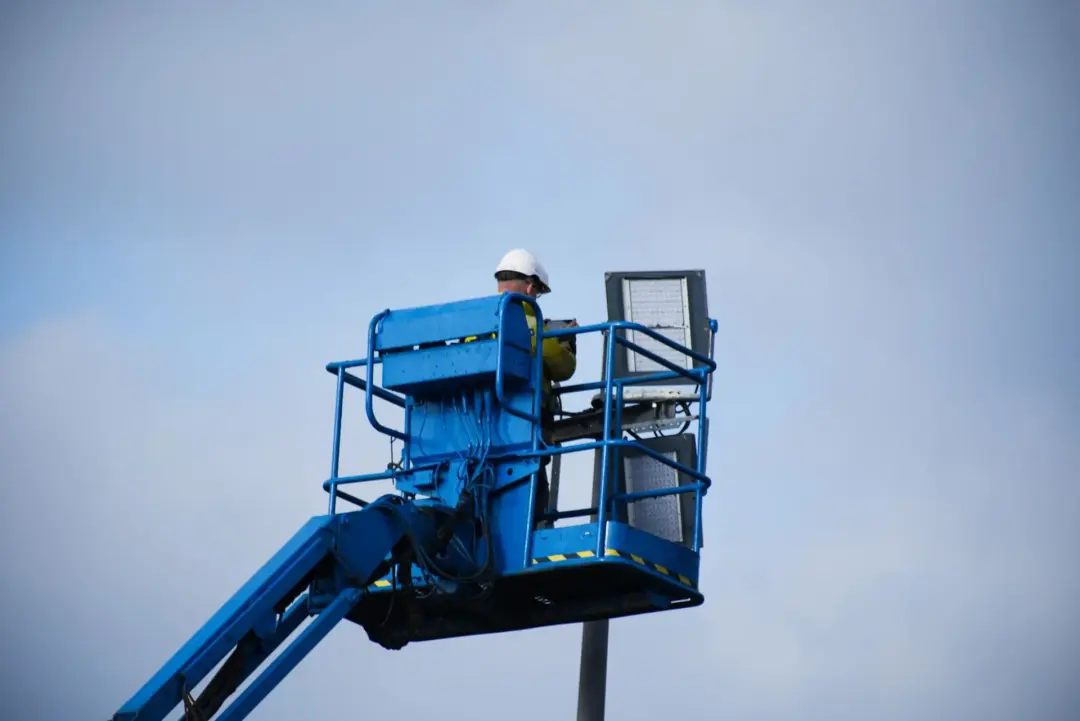
HSE advises arborists to carry out daily checks of the main climbing rope and associated equipment and recommends written weekly inspection records for high-wear items such as ropes.
Manufacturer instructions may call for additional checks. The user must understand the rejection criteria and quarantine anything doubtful rather than assuming the report transfers responsibility to the examiner.
If equipment has been dropped, shock loaded, exposed to chemicals or involved in an incident, stop and assess it immediately. Do not wait for the printed due date.
Label quarantined equipment so it cannot return to the course or workplace by mistake, and obtain advice from a competent examiner or manufacturer.
Arborist harness versus climbing harness
The phrase “climbing harness” covers equipment designed for very different activities. A recreational rock-climbing harness is intended primarily to manage falls and belaying in its specified sporting use. An arborist harness is designed for tree-work positioning, repeated suspension and movement around a canopy. It commonly includes a bridge or central attachment arrangement, side work-positioning points and gear-management features intended for arboricultural tasks.
Those differences affect both training and inspection. Arborist bridges, replaceable components and attachment points have specific permitted uses and wear criteria. Tool loops and saw attachment points are normally not life-support connections. A product can be certified and perfectly good for one activity while remaining unsuitable for another. The course needs a harness intended for the system and exercises being taught.
Fit must also be assessed while suspended at low level. The waist belt should remain secure, leg loops should support comfortably and the bridge should place the rope-control device within a manageable range. A valid report cannot make an incorrectly sized harness safe or comfortable for a particular candidate.
Why arborist gear costs more than it first appears it should
Life-support equipment is not priced like general rope, luggage webbing or tool-store carabiners. Manufacturers design for defined loads and uses, test products against applicable standards, control materials and production, maintain traceability and publish detailed instructions. Specialist connectors need reliable locking mechanisms and predictable loading; ropes must combine strength with handling and compatibility; harnesses require complex construction and replaceable or inspectable critical parts.
The purchase price also supports documentation and after-sales infrastructure. Declarations, serialisation, inspection criteria, replacement parts, technical support and product recalls all matter when equipment supports a person at height. A cheaper item with uncertain origin, counterfeit markings or no traceable history cannot provide the same assurance merely because it looks similar.
Whole-life cost includes inspection, cleaning, storage, examination and eventual retirement. That does not mean the most expensive system is the safest or the best for a beginner. Good value comes from buying a complete matched system appropriate to the course, avoiding unnecessary accessories and retaining the documentation that lets the equipment remain usable.
Can you use borrowed or second-hand kit on a course?
Possibly, but only if the provider permits it and the equipment arrives with acceptable evidence, identity and history. The owner’s report must match every item, remain in date and contain no restriction that prevents use. The lender should provide the instructions and disclose any incidents, unusual loading, chemical exposure, repairs or alterations.
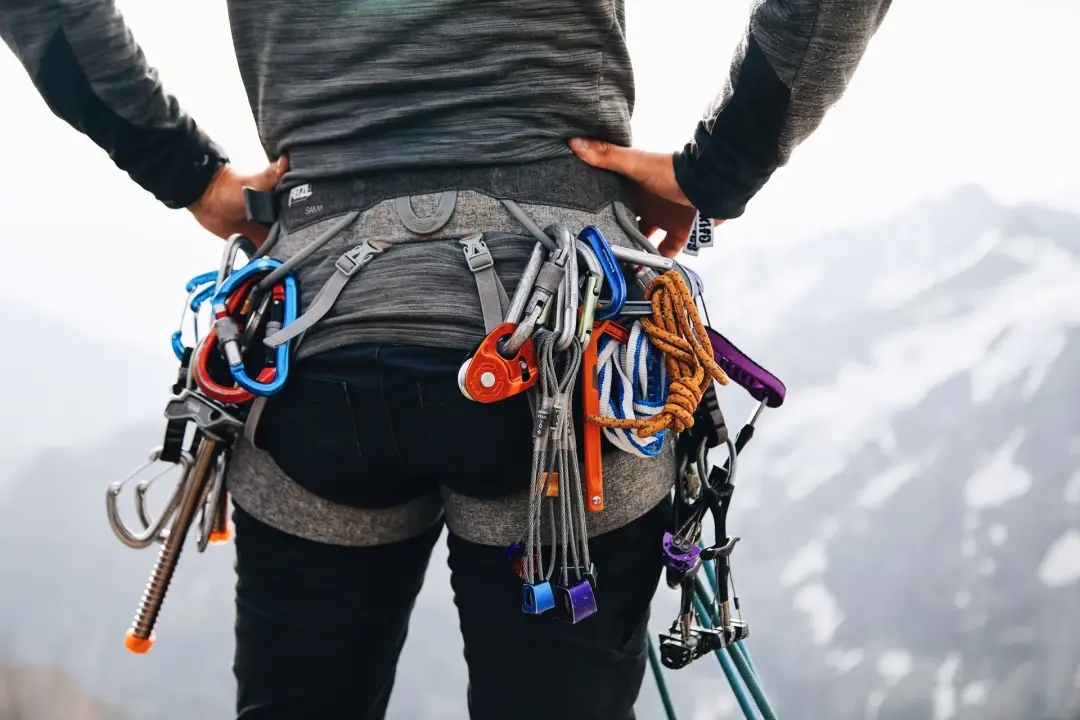
Second-hand textile equipment with unknown history is a poor candidate for life support. Damage from chemicals, heat, UV exposure or shock loading may not be obvious. A seller’s description is not a substitute for traceability and competent examination, and an examination cannot always reconstruct missing history. If labels have been cut off or serial information is illegible, the item may be impossible to manage within an equipment register.
Borrowing also creates compatibility and fit problems. A rope may not suit your device, a connector may orient poorly in your harness, or the harness may ride up under suspension. Send the complete proposed list to the provider before relying on borrowed kit to get you through check-in.
Common reasons personal kit may be refused
The most avoidable problem is expired or incomplete documentation. Other reasons include labels that cannot be read, items absent from the report, damaged textiles, connectors that do not lock, unauthorised modifications and a system that does not match the course. A report in someone else’s name is not necessarily the issue; the key problem is often proving that the physical item is the one examined and that control of its safe use is clear.
Compatibility can also stop a climb. A mechanical device may be outside its permitted rope range; a connector may be the wrong shape; a splice may obstruct the device; or a recreational harness may be unsuitable for arborist work positioning. The parts do not become acceptable because each carries an individual standards mark.
Finally, the provider can refuse equipment that the candidate cannot assemble or use safely. Documents establish history and examination status, not competence. Training may proceed on provider-supplied equipment until the candidate has learned the required system.
The simplest route for a first-time candidate
Ask the provider for the current kit and evidence requirements before purchasing. If using existing equipment, arrange the competent examination early enough to replace any failed component and update the report. If buying new, keep the itemised receipt, declarations, labels and instructions together and confirm that the purchase evidence will satisfy the provider on the course date.
A professionally matched kit can simplify both compatibility and paperwork. can align an Essential, Pro Climber or Mechanical system with the technique being taught and explain which records need to travel with it. The commercial benefit of new equipment is not that it bypasses inspection responsibilities; it is that the history, identity and supporting documents begin complete and traceable.
The instructor still performs pre-use checks, and the candidate must learn to do the same. LOLER compliance is not a badge attached to a kit forever. It is part of an ongoing system of correct selection, identification, examination, inspection, maintenance, competent use and retirement.
Unsure whether your climbing equipment is ready for your course? Contact for advice on compatible kit, documentation and inspection requirements.
Related Articles
What Climbing Kit Do You Need for Your First Course